Need Help?
+91 91594 97485Quick Links
Our Products
Reach Us
Call US Directly?
Email Us
Our Location
No.72, Asharnagar 60Feet Road, (Behind SAP THEATER) Ghandhinagar Post,
Tirupur - 641603.
Tamilnadu.

Call Us
+91 91594 97485Email Us
info@gravitytexsolutions.in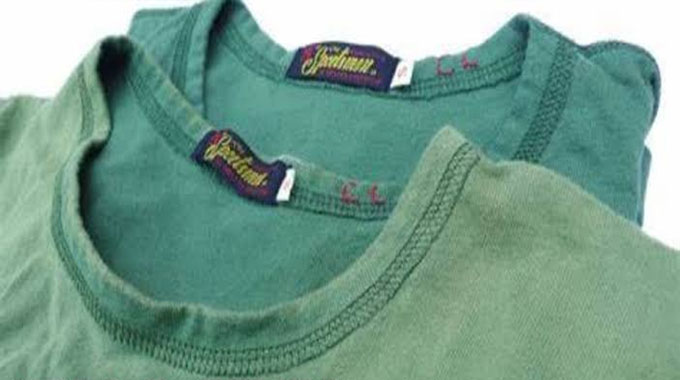
Gas fading (often called gas-fume fading) occurs when airborne atmospheric pollutants-specifically gaseous oxides of nitrogen (like nitrogen dioxide) or ozone-react chemically with textile dyes, causing the color to change or fade.
Chemical Reaction: Pollutants from gas-fired heaters, stoves, or vehicle exhausts land on fabrics and react with the dye molecules.Vulnerable Dyes: Blue, grey, and violet disperse dyes (commonly used on synthetic fibers like polyester or cellulose acetate) contain specific amino groups that react easily with acid fumes, shifting the color toward unwanted red, pink, or purple shades.Stenter Machines: In textile manufacturing, poorly ventilated gas-fired stenter frames (machines used to dry or heat-set fabric) release nitrogen oxides directly into the dyehouse air, accelerating this color shift during production.

Copyright @2026 gravitytexsolutions.in. All rights reserved.